
The Workora Journal / Personal Workspace Design
Designing a Productive Home Office That Reflects Your Personality
Create a home office that works beautifully and feels unmistakably yours, with thoughtful furniture, personal details, balanced lighting, and practical organization.
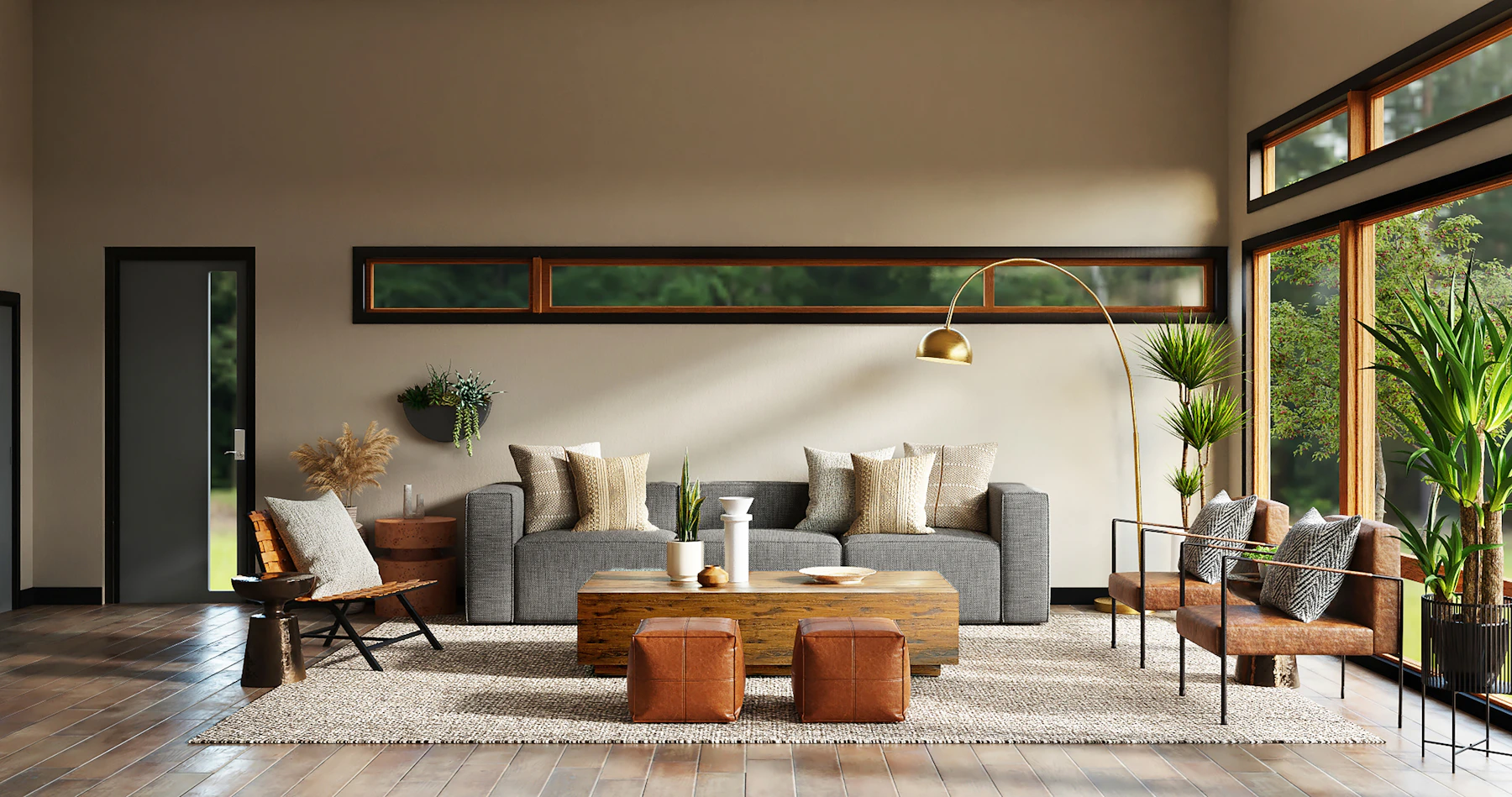

Your home office should be more than a place to finish tasks. It should be a space that supports your ambitions and feels like a natural extension of who you are.
Working from home creates a unique opportunity to shape an environment around your personal preferences, daily routines, and professional needs.
Unlike a traditional workplace, a home office can reflect the colors you love, the materials you find comforting, and the objects that hold personal meaning. It can feel calm and minimalist, creative and expressive, or sophisticated and architectural.
Yet personality alone does not make a workspace productive. The most successful home offices balance individual style with practical considerations such as ergonomic furniture, adequate lighting, effective organization, and freedom from unnecessary distractions.
A beautiful room should make everyday work easier, not introduce additional obstacles.
The following ideas explore how to create a home office that combines personal expression, lasting comfort, and purposeful design.
Find Your Design Language
Three Ways to Express Your Personality Through Design
Your preferred design direction can guide decisions about furniture, materials, color, and decorative details.

Scandinavian Simplicity
Ideal for those who value natural light, clean lines, and a peaceful atmosphere. Choose pale wood, soft neutral textiles, simple furniture, and a restrained selection of meaningful objects.

Modern Organic Comfort
A welcoming direction for those who enjoy tactile materials and a relaxed atmosphere. Combine warm wood, woven textures, earthy tones, plants, and furniture with softened silhouettes.

Contemporary Editorial
Suited to those who prefer bold proportions and sophisticated details. Use architectural furniture, deep accent colors, sculptural lighting, and carefully curated artwork to create a confident visual identity.

Begin with a Space That Supports Your Routine
Before choosing furniture or decorative accessories, consider where your home office should be located and how you will use it.
A dedicated room may offer greater privacy and flexibility, but a productive workspace can also be created within a bedroom, living area, hallway alcove, or other suitable corner.
The most important factors are the availability of comfortable working space, suitable lighting, reliable power access, and an environment that allows you to concentrate.
- Privacy: Consider whether calls, meetings, or focused work require separation from household activity.
- Daylight: Look for a position that benefits from natural light without creating excessive screen glare.
- Circulation: Keep doorways and walking routes unobstructed.
- Flexibility: Choose a layout that can adapt as your equipment and responsibilities change.
A well-chosen location creates the foundation for both a comfortable working experience and a cohesive design.

Choose Furniture That Feels Like You and Works for You
Furniture establishes much of the visual character of a home office. A desk with natural wood grain creates a different atmosphere from a streamlined metal design, while upholstered seating can soften an otherwise architectural space.
However, appearance should never replace practical comfort.
Choose a desk that provides enough room for your essential equipment, documents, and everyday tasks. Consider the height, available legroom, and relationship between the desk and your chair.
Select supportive seating with appropriate adjustability. A chair should accommodate your posture and allow comfortable positioning throughout the working day.
Add storage only where it serves a clear purpose. A compact drawer unit, wall shelf, or carefully selected cabinet can help maintain order without overwhelming the room.
The ideal furniture feels consistent with your personality while quietly supporting the practical demands of your work.
The most inspiring workspace is not the one that looks like everyone else's. It is the one that helps you feel most like yourself.
The Workora Design Philosophy

Use Color and Texture to Express Your Character
Color can transform how a workspace feels. Some people prefer the calm of ivory, stone, and pale wood, while others feel more inspired by deep navy, muted green, terracotta, or carefully chosen accent colors.
Begin with a foundation that suits your personal preferences and the amount of natural light available. Neutral walls and larger furniture pieces can create a flexible backdrop for more expressive details.
Introduce personality through smaller elements such as cushions, artwork, desk accessories, rugs, and storage pieces.
Texture is equally important. Woven textiles, wood grain, matte ceramics, and soft upholstery can make the room feel layered and inviting without requiring excessive decoration.
Aim for visual harmony rather than strict uniformity. A workspace can feel cohesive while still incorporating a few unexpected details that reflect your individuality.


05 / PERSONAL BUT PURPOSEFUL
Make Space for Meaningful Objects Without Creating Clutter
Personal touches help a home office feel welcoming. Photographs, books, artwork, travel keepsakes, and meaningful objects can create a sense of identity that is difficult to achieve through furniture alone.
The key is to display these elements intentionally rather than allowing every available surface to become crowded.
Create a Curated Display
Choose a few pieces that genuinely matter to you. A framed photograph, a favorite artwork, or a small collection of books can add personality without overwhelming the working area.
Separate Work Tools from Decoration
Keep frequently used equipment accessible while placing decorative items where they do not interfere with writing, typing, or moving around the desk.
Give Everything a Home
Use drawers, shelves, document holders, and suitable organizers to manage supplies. A simple storage system makes it easier to maintain an orderly environment.
Your workspace should feel personal, but it should also remain easy to use and comfortable to maintain.
Balance Natural Light, Task Lighting, and Comfort
Lighting influences both the appearance of a home office and how comfortable it feels to use.
Natural daylight can make a room feel open and inviting. Position your workstation to benefit from it while avoiding strong reflections on computer screens.
Add an adjustable desk lamp to provide focused illumination for reading, writing, and other detailed tasks. Combine it with suitable ambient lighting so that the room remains comfortable as daylight changes.
Lighting fixtures can also express personality. A sculptural table lamp, an understated metal design, or a warm fabric shade can contribute to the overall aesthetic.
Choose fixtures that provide useful illumination first, then consider how their materials and silhouettes complement the room.
Thoughtful lighting makes the workspace more adaptable, comfortable, and visually appealing.

Build a Workspace That Fits Your Daily Habits
A home office should support the way you actually work, not an idealized routine that is difficult to maintain.
If you spend most of your day on video calls, prioritize camera placement, sound quality, lighting, and a suitable background. If your work involves writing or design, make sure the desk provides enough space for your tools and materials.
Consider when you feel most focused, how often you need breaks, and whether you prefer a quiet environment or gentle background activity.
Keep a comfortable water bottle within reach, provide appropriate storage for everyday essentials, and allow space for natural movement.
Establish a simple routine for beginning and ending work. Clearing your desk, reviewing priorities, and putting away equipment can help create a clearer distinction between professional and personal time.
The best home office design works with your habits rather than forcing you to adapt to the room.
Your Personal Home Office Blueprint
Six Steps to a Workspace That Feels Uniquely Yours
Use these practical steps to balance individual expression with comfort, organization, and everyday productivity.
Define Your Personal Style
Identify the colors, materials, and design details that make you feel comfortable and inspired.
Choose a Practical Location
Consider daylight, privacy, available space, power access, and the needs of your daily working routine.
Select Comfortable Furniture
Prioritize a suitable desk, supportive chair, and practical accessories that accommodate your tasks.
Add Meaningful Details
Introduce carefully chosen artwork, books, textures, and personal objects without crowding the workspace.
Keep Essentials in Order
Establish dedicated storage for supplies, documents, cables, and frequently used equipment.
Refine as Your Needs Change
Review the setup regularly and adjust furniture, storage, or decorative elements as your routine develops.
The Workora Perspective
A Space for Your Work. A Reflection of Your Life.
A productive home office does not need to look like a conventional corporate workspace. It can be warm, expressive, minimalist, colorful, architectural, or quietly sophisticated.
What matters is how successfully it combines your personality with the practical needs of your working day.
Begin with a comfortable layout and supportive furniture. Choose colors and materials that feel natural to you, organize the essentials, and introduce a few meaningful details that make the room your own.
Allow the space to evolve as your routines and priorities change.
The best home office is not simply a beautiful place to work. It is a space where you feel comfortable, focused, and genuinely at home.
Explore Workspace Essentials

